Is the TEF Canada exam difficult? Learn what makes each section challenging, what level you may need, and how to prepare realistically before test day.
There is no useful one-word answer to the question, “Is the TEF Canada exam hard?”
For a beginner, it can feel extremely demanding. For someone who already uses French at work or in daily life, the language itself may be manageable, but the timing and task format can still create problems.
The honest answer is that TEF Canada is challenging when your current French level, your target NCLC level, and your preparation method do not line up.
The exam is not designed around memorizing a list of grammar rules. It measures how well you understand and use French under time pressure.
That difference matters.
A candidate may know plenty of vocabulary and still lose points because an audio recording moves quickly, a written response is poorly organized, or a speaking answer does not fully complete the task.
Why TEF Canada Feels Difficult
Most candidates are dealing with several difficulties at once. They are working in a second language, watching the clock, learning an unfamiliar exam platform, and aiming for a specific immigration threshold.
Even strong speakers sometimes underestimate the reading and writing sections. Other candidates spend months studying grammar but have rarely practised a full timed task.
The main challenges include:
- Listening: The audio is played only once, and you cannot return to an earlier question.
- Reading: The reading test contains 40 questions in 60 minutes, so slow reading can become a serious issue.
- Writing: You must complete two different writing tasks within one hour.
- Speaking: The speaking test is interactive. You must ask questions, respond naturally, and persuade another person.
- Immigration requirements: A weak result in one ability can matter even when the other three scores are strong.
How Difficult Is Each TEF Canada Section?
Listening Comprehension
Listening often feels hardest because there is little room to recover.
The official format has 40 questions in 40 minutes. Each audio is played once, and the questions advance in order.
You need more than general understanding. Small details, speaker intention, tone, and context may change the correct answer.
Regular exposure to different French voices is usually more useful than listening to the same slow lesson repeatedly.
Reading Comprehension
Reading gives you more control because you can navigate within the questionnaire. The challenge is pace.
Candidates who translate every sentence word by word often run out of time.
Good preparation means learning to:
- Identify the purpose of a document
- Locate key information quickly
- Understand the overall meaning
- Eliminate answers that are close but not supported by the text
Written Expression
Writing is difficult for candidates who depend too heavily on a memorized essay.
Section A asks you to continue an article in at least 80 words.
Section B asks you to express and justify a point of view in at least 200 words.
The two tasks require different approaches.
A natural continuation of a short news item should not sound like a formal opinion letter. Similarly, an opinion piece needs developed reasons rather than a string of generic phrases.
The goal is not simply to write a lot. Your response needs to be relevant, organized, clear, and appropriate to the task.
Oral Expression
The speaking test lasts 15 minutes and takes place face to face with an examiner.
In Section A, you obtain information.
In Section B, you present arguments to persuade.
The examiner is not expecting a theatrical performance or a perfect accent.
The real challenge is keeping the exchange moving while using:
- Clear questions
- Relevant details
- Connected ideas
- Appropriate French
- Natural interaction
Is TEF Canada Harder If You Need NCLC 7 or NCLC 9?
Yes—but the reason is important.
TEF Canada does not have one universal pass mark. Your target depends on the program you are applying to.
Reaching NCLC 7 means demonstrating a solid, independent level in every required ability. NCLC 9 demands greater precision, range, and consistency.
A candidate who only needs NCLC 5 should not prepare in exactly the same way as someone trying to maximize Express Entry points.
Start With Your Actual Target
Before you begin intensive preparation, identify the score you actually need.
Then complete timed practice in all four abilities.
This avoids a common mistake: spending most of your time on the skill you enjoy and discovering too late that another section is below the required threshold.
How Long Should You Prepare for TEF Canada?
There is no reliable preparation period that applies to everyone.
Someone already close to the target may mainly need exam-format practice. Someone several levels below the target needs broader language development, which takes longer than a short test-preparation course.
A diagnostic practice test is more useful than choosing an arbitrary number of weeks.
Consider the following approach:
- If your general French is already near the target, focus on timing, task completion, and recurring mistakes.
- If one ability is noticeably weaker, build a separate plan for that skill instead of repeating full tests every day.
- Practise speaking with another person. Silent preparation does not reproduce an interactive exam.
- Write complete Section A and Section B responses and review them for clarity, organization, and language control.
- Use official sample materials so that your practice reflects the current format.
What Candidates Often Get Wrong
One of the biggest misconceptions is that a large collection of templates can replace flexible French.
Templates can help you organize an answer, but they become a problem when the response no longer fits the prompt.
Another mistake is taking practice tests without reviewing why answers were wrong.
Volume alone does not create progress.
It is also risky to treat the exam as four unrelated subjects.
Vocabulary, sentence control, and the ability to recognize intention support every section. The strongest preparation combines general French development with specific, timed exam practice.
A Realistic Conclusion
TEF Canada is demanding, but it is not mysterious.
Once you understand the format, know your target, and practise under realistic conditions, the exam becomes much more manageable.
The goal is not to sound perfect.
The goal is to show, consistently and within the available time, that you can understand and communicate in French at the level your application requires.
Register for TEF Canada in Toronto / GTA
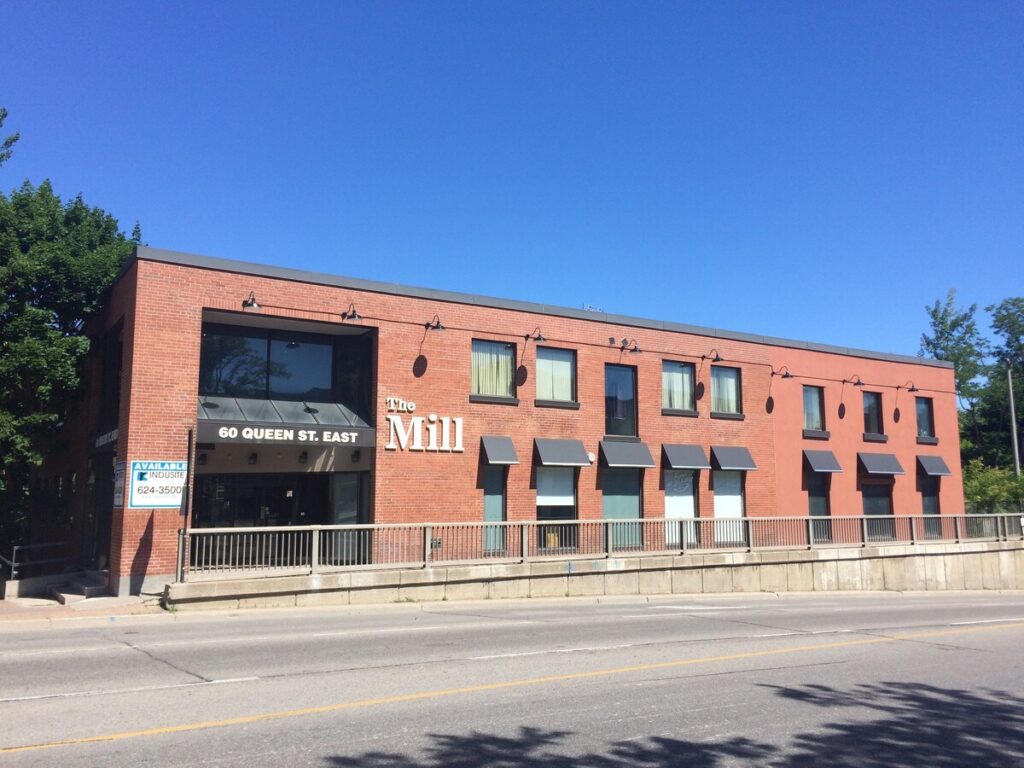
CSA Toronto administers official TEF Canada and TEFAQ sessions for candidates in the Greater Toronto Area.
Current exam dates and registration options are available through our online registration page.
Ready to book your TEF Canada exam?